
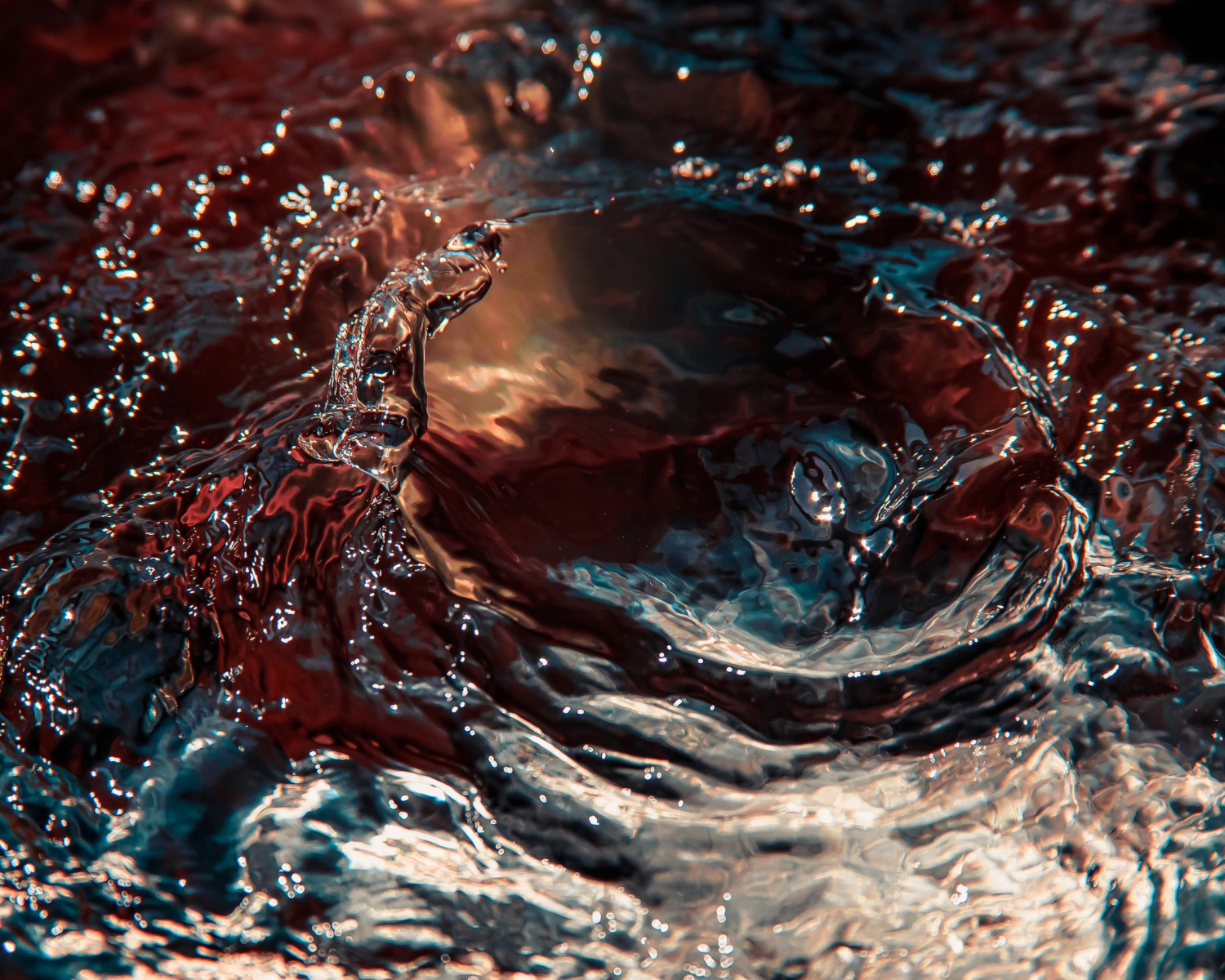
Water droplets are a captivating subject in macro photography, offering endless possibilities for creative expression. The way light interacts with water, combined with its delicate forms and reflections, allows photographers to create stunning and imaginative images. Whether it’s the smooth surface of a leaf with a droplet resting on it or the intricate reflections within the droplet itself, water droplets bring a unique charm to your macro shots. Here’s how you can explore the art of macro photography with water droplets.
1. Capturing the Droplet’s Reflection
One of the most striking features of water droplets is their ability to reflect light and the surrounding scenes. When photographing droplets, position them so they reflect their environment. This can create an abstract or symmetrical pattern within the droplet, making it an intriguing focal point. Look for interesting objects, such as flowers, leaves, or even the sky, to reflect within the water droplet. The key to this technique is lighting—a well-placed light source will enhance the reflections and create a beautiful, almost surreal effect.
2. Use a Shallow Depth of Field
Macro photography often involves a shallow depth of field (DOF), which can be particularly effective when photographing water droplets. Using a wide aperture blurs the background while keeping the droplet in sharp focus. This technique helps isolate the droplet from its surroundings, making it the image’s primary subject. It also creates a beautiful bokeh effect in the background, enhancing the shot’s overall aesthetic.
3. Play with Light and Angles
Light plays a crucial role in capturing the beauty of water droplets. Soft, diffused light can highlight the fine details and give the droplets a soft, glistening appearance. Alternatively, a hard light can create dramatic contrasts and shadows, making the droplets appear sharp and edgy. Experiment with different light sources, such as natural light or small LED lights, and shoot from various angles to capture the droplet from unique perspectives. Changing your shooting angle can reveal interesting textures and reflections that may not be apparent from a straightforward view.
4. Focus on Composition
The composition of your shot is just as important as capturing the droplet itself. Consider the placement of the droplet in the frame, and explore using the rule of thirds or leading lines to guide the viewer’s eye. If photographing a single droplet, leave enough space around it to give it room to “breathe” and stand out. For multiple droplets, create a sense of movement or symmetry to enhance the visual interest.
Macro photography with water droplets offers a fascinating way to capture the beauty of nature in its finest details. With the proper techniques, such as controlling lighting, depth of field, and composition, you can create stunning images that highlight the delicate, reflective nature of water. Embrace the challenge of shooting these tiny jewels of nature and see where your creativity takes you.
#MacroPhotography #WaterDroplets #NaturePhotography #CloseUpPhotography #CreativePhotography #PhotographyTips #ReflectionPhotography #WaterPhotography #PhotographyArt #PhotographyInspiration
