
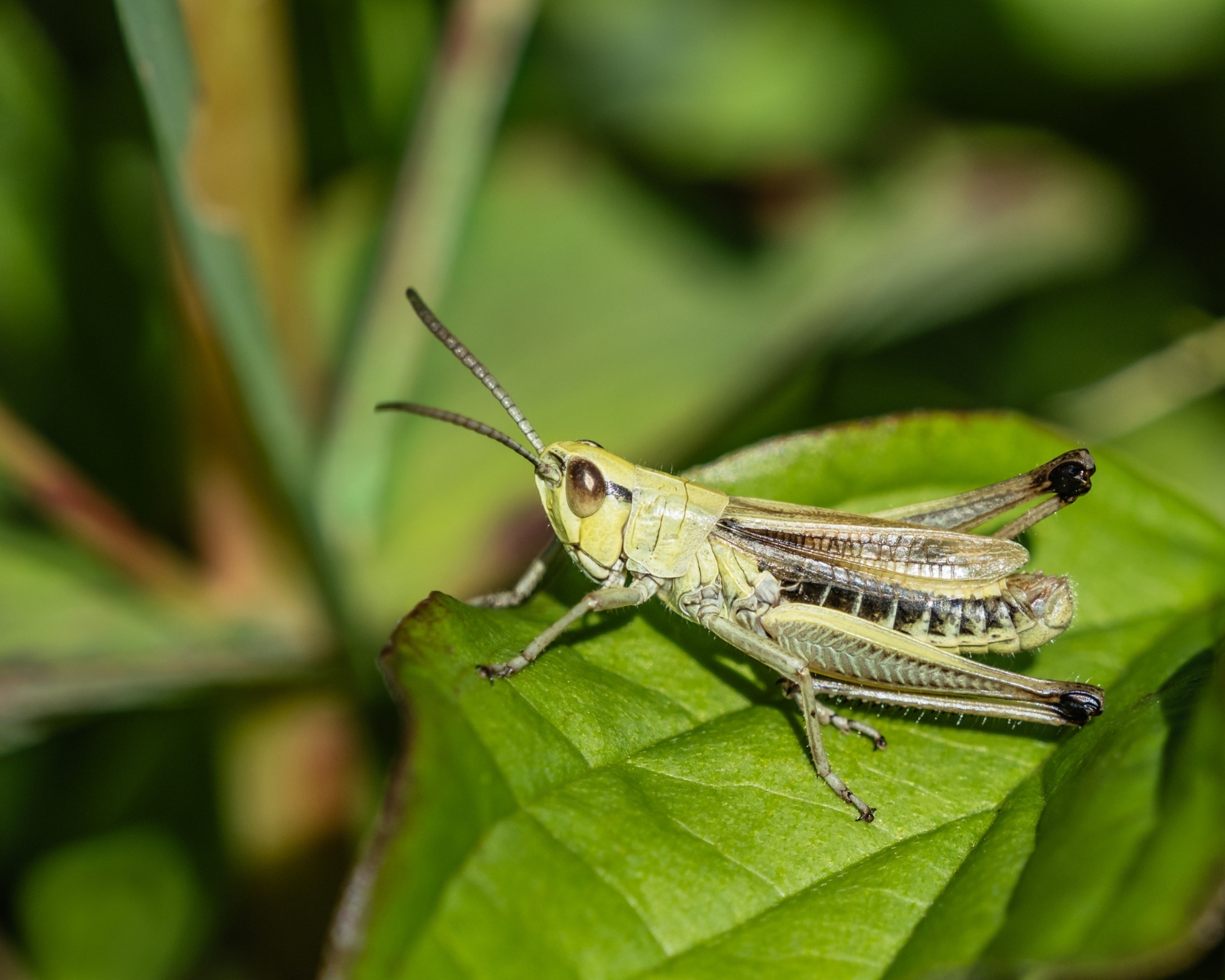
Macro photography reveals a fascinating world of tiny details that often go unnoticed by the naked eye. From the delicate texture of petals to the intricate patterns on insects, lighting plays a critical role in capturing sharp, dramatic, and visually striking macro images. Mastering light control can elevate your macro shots from average to exceptional.
Use Soft, Diffused Light
Harsh lighting is one of the biggest challenges in macro photography. Direct sunlight or intense artificial light can create blown highlights and deep, distracting shadows. Using soft, diffused light helps maintain detail and balance. Natural light filtered through clouds, a curtain, or a diffuser works beautifully. If you’re using artificial lighting, a softbox or diffuser attachment will soften the light and reduce contrast.
Control Shadows Carefully
Because macro subjects are shot at very close distances, shadows can easily overpower your composition. Position your light source slightly to the side rather than directly above or behind the camera. This creates gentle shadows that add depth and texture without hiding essential details. Reflectors can also be used to bounce light back onto shadowed areas, especially when photographing small objects or insects.
Use External Lighting for Precision
Built-in camera flashes are often too harsh and poorly positioned for macro work. External flashes or LED macro lights offer greater control and flexibility. Ring lights are popular for macro photography, as they provide even illumination around the lens, reducing harsh shadows. However, off-camera flashes allow for more creative lighting angles and dramatic effects.
Pay Attention to Light Direction
The direction of light dramatically affects how textures and shapes appear. Side lighting enhances surface details and adds dimension, while front lighting reduces shadows and creates a flatter look. Experiment with different angles to see how light interacts with your subject. Minor adjustments can make a big difference in highlighting fine details.
Balance Light with Camera Settings
Lighting and camera settings work hand in hand. Use a low ISO to preserve image quality, and adjust aperture carefully to maintain sufficient depth of field. Since macro photography often requires smaller apertures, you may need additional light to avoid slow shutter speeds or motion blur.
Perfect macro photography lighting is about control, balance, and experimentation. By using diffused light, managing shadows, choosing the right light sources, and paying attention to direction, you can capture stunning close-up images full of detail and clarity. With practice and patience, your macro shots will truly come to life.
#MacroPhotography #PhotographyTips #LightingTips #CloseUpPhotography #PhotoLighting #CreativePhotography #PhotographyBasics #MacroShots #PhotoTechniques
