
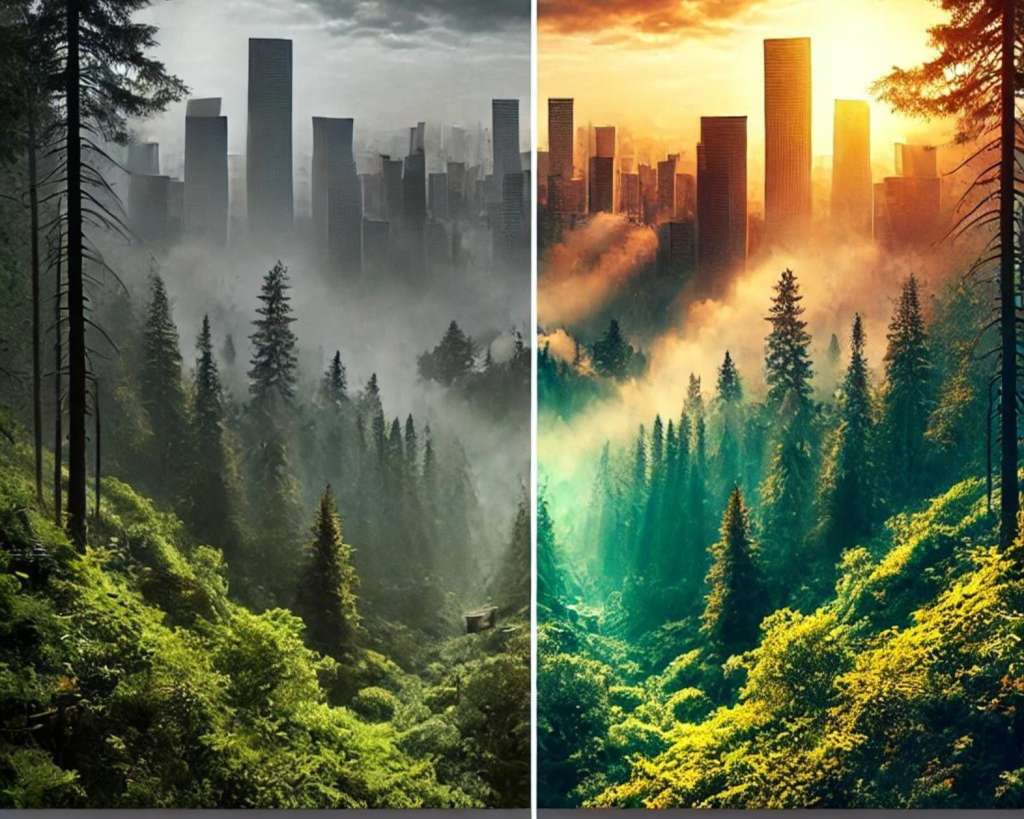
The Art of Editing: Before and After
Introduction
This blog explores the transformative power of post-processing in photography, highlighting how editing techniques can elevate simple moments into spectacular narratives and bring the photographer’s vision to life.
Why Edit Photos?
Editing is more than just tweaking; it’s an essential part of the photographic process that serves multiple purposes.
- Correcting Flaws: Minor camera or environmental imperfections like dust spots, lens flares, or an unwanted photo bomber can be removed.
- Enhancing Mood: Color adjustments and filters can change the mood of a photo, making it more dramatic, nostalgic, or vibrant.
- Improving Composition: Cropping can help reframe a subject, enhancing the overall composition and focus of the image.
- Highlighting Details: Sharpening tools bring out details that can make an image more captivating.
Before and After Examples
Landscape Transformation
Techniques Used:
- HDR Processing: Combining multiple exposures of the same scene captures both shadows and highlights perfectly.
- Saturation and Vibrancy Adjustments: These are tweaked to bring out the colors of the sky and landscape, making the scene more vivid.
- Sharpening: Applied to enhance the details like tree branches and rocks.
Result: A landscape photo that initially appeared dull now bursts with color and life, showcasing a stunning sunrise with vivid clarity.
Portrait Enhancement
Techniques Used:
- Skin Retouching: Subtle smoothing that maintains skin texture while clearing up blemishes.
- Eye Brightening: Slight enhancements make the eyes pop, drawing more attention to them.
- Selective Lighting: Dodge and burn techniques enhance the lighting on the face, highlighting features while adding depth.
Result: From a flat and softly lit shot, the portrait turns into a compelling, studio-quality image that captures the personality of the subject.
Cityscape Revival
Techniques Used:
- Color Grading: Applied to give the cityscape a cooler, more urban feel.
- Clarity and Contrast Boost: Enhances the architectural details and the dynamic range between the building lights and shadows.
- Noise Reduction: Smoothens the image to compensate for high ISO settings used during low-light capture.
Result: The original photo’s flat and noisy appearance is transformed into a crisp, vibrant night scene full of life and light contrasts.
Wildlife Detailing
Techniques Used:
- Exposure Adjustment: Brightens the subject while maintaining the integrity of the background.
- Color Correction: This ensures the natural colors of the animal are vibrant and true to life.
- Detail Enhancement: Focuses on bringing out the finer details, such as fur texture and the eyes of the wildlife.
Result: A previously underexposed shot of wildlife in its natural habitat becomes a detailed and lively image, capturing the essence of the moment.
Conclusion
The before and after examples underscore the significant impact that thoughtful editing can have on photographs. Each edit, from subtle tweaks to major changes, serves to align the final image closer to the photographer’s vision, enhancing the storytelling quality of the photographs. Whether you’re a professional or a hobbyist, developing editing skills can profoundly enhance the effectiveness and appeal of your photographic work.
#PhotographyEditing #PhotoTransformation #MyLovelyLens #PostProcessing #BeforeAndAfter #PhotographyTips #DigitalArt
