
Introduction
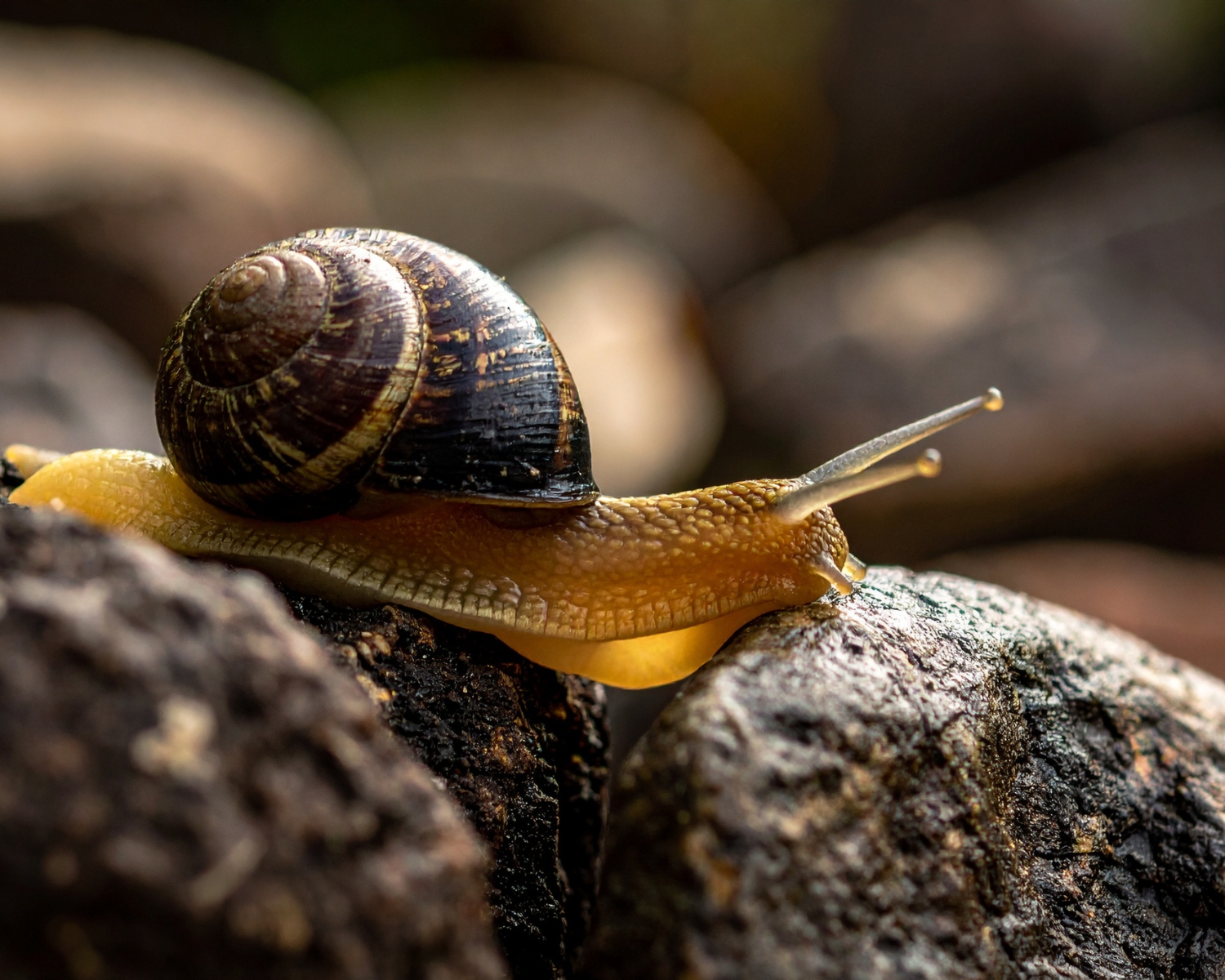
Macro photography opens up a world of captivating details, often unseen by the naked eye. Whether you’re capturing the texture of a leaf, the delicate wings of a butterfly, or the intricate patterns of an insect’s exoskeleton, macro photography allows you to explore and document the tiny wonders of nature and wildlife in stunning detail. Here’s how you can begin exploring the beauty of nature and wildlife through macro photography.
1. Embrace the Small World Around You
In nature, there’s an entire micro-world teeming with life and beauty. From dew-covered spider webs to the veins on a leaf, every tiny element tells a story. Macro photography allows you to highlight these subtle details and reveal the hidden beauty of plants, insects, and other small creatures. To capture these moments, take your camera to the garden, forest, or even your backyard — the best subjects may be right in front of you.
2. Focus on Lighting and Composition
Lighting plays a crucial role in macro photography. Natural light is often the best choice, especially in the early morning or late afternoon, when it is softer and creates beautiful shadows and highlights. Overcast days also provide diffused light, making it ideal for shooting subjects like flowers or insects without harsh shadows. Position your subject in a way that light enhances its texture, whether you’re using side or backlighting to create a glow or depth.
Composition is equally important. Use simple backgrounds that complement the subject, such as a neutral-colored leaf, sky, or blurred foliage, to keep the focus on the creature or plant. Experiment with different angles, capturing your subject from above, the side, or even through the foliage for an interesting perspective.
3. Patience and Observation
Nature and wildlife photography often require patience. Many small creatures are elusive, and capturing the perfect shot takes time. Observe your subject closely to anticipate its movement, behavior, and natural poses. Whether you’re photographing a bee gathering nectar or a frog perched on a leaf, patience allows you to capture authentic moments that reveal your subject’s true character.
4. Invest in the Right Gear
To excel in macro photography, a macro lens is a must. These lenses allow you to get extremely close to your subject while maintaining sharp focus. A tripod is also recommended to stabilize your camera and prevent blur from small movements.
Conclusion
Macro photography offers an exciting way to explore and document the intricate beauty of nature and wildlife. By focusing on the fine details, experimenting with lighting and composition, and practicing patience, you can capture stunning close-ups that reveal the hidden wonders of the natural world.
#MacroPhotography #WildlifePhotography #NaturePhotography #PhotographyTips #CloseUpPhotography #InsectPhotography #NatureLovers #CreativePhotography #OutdoorPhotography #Photographers #WildlifeExploration
