
Introduction
Macro photography allows you to capture the intricate details of tiny subjects, but getting the perfect shot requires precision and stability. Since macro photography often involves shooting at extremely close distances, even the slightest movement can cause blur or misfocus. This is where a tripod becomes essential. In this blog, we’ll explore how to use a tripod effectively to enhance your macro photography results.
1. Stabilizing Your Camera
When photographing small subjects, the shallow depth of field can make focus extremely sensitive. A tripod stabilizes your camera, preventing camera shake and ensuring sharp, crisp images. Since macro lenses often require slower shutter speeds, using a tripod is crucial to avoid unwanted blur. It allows you to shoot with longer exposure times without introducing any camera movement, ensuring your photos remain clear.
2. Choosing the Right Tripod
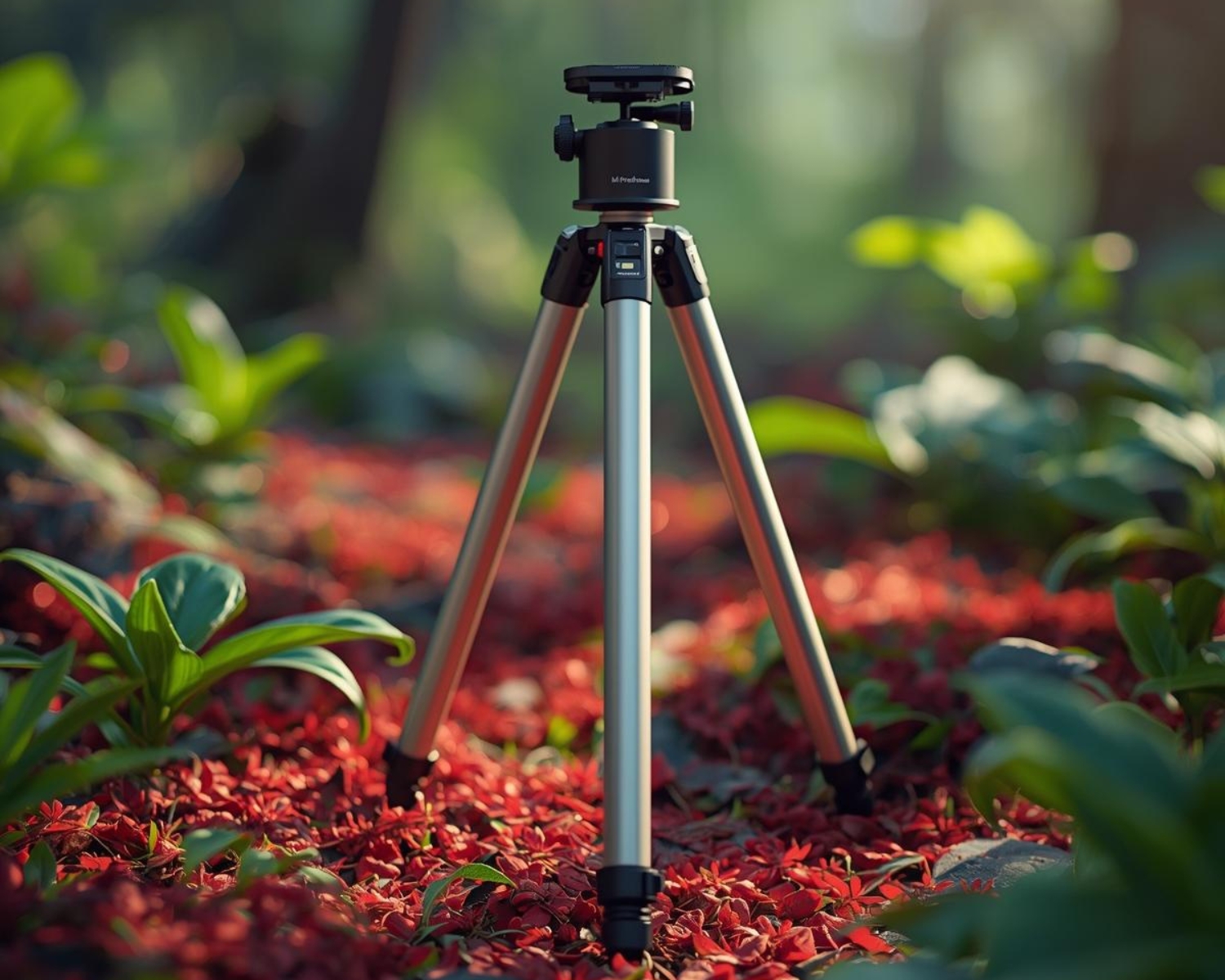
For macro photography, it’s important to choose a tripod that is sturdy, stable, and can support your camera and lens setup. A tripod with a low center of gravity helps keep your camera stable, especially when shooting at close distances. Look for tripods with adjustable legs and a flexible head so you can position your camera at the perfect angle for your shot. Additionally, ensure the tripod is lightweight enough for easy portability while remaining durable enough to support your gear.
3. Using a Remote Shutter or Timer
Even with a tripod, pressing the shutter button can still cause slight vibrations, leading to blurriness. To avoid this, use a remote shutter release or the camera’s self-timer function. A remote shutter allows you to take the shot without physically touching the camera, keeping everything steady. The self-timer gives you a slight delay, ensuring any movement from pressing the shutter has settled before the photo is taken.
4. Fine-Tuning Focus
One of the biggest challenges in macro photography is achieving precise focus. A tripod helps you fine-tune your focus without risking movement. For ultimate control, consider using focus stacking, where you take multiple images at different focus points and merge them later in post-processing. A tripod keeps your camera steady during this process, resulting in sharp, detailed images.
5. Composition and Framing
A tripod allows you to adjust your shot’s framing slowly and methodically. Since macro photography often requires precise composition, you can use the tripod’s adjustable head to move the camera slightly without disturbing your setup. This ensures you can capture the best possible angle and composition for your subject.
Conclusion
Using a tripod in macro photography significantly enhances your ability to capture sharp, detailed images of small subjects. It stabilizes the camera, allows for precise adjustments, and helps eliminate camera shake, ensuring the best results. With the right tripod and techniques, you can achieve stunning macro shots that showcase the incredible details of the world around you.
#MacroPhotography #PhotographyTips #TripodPhotography #CloseUpPhotography #CameraStabilization #FocusControl #PhotographyGear #CreativePhotography #PhotographyCommunity
