
Introduction
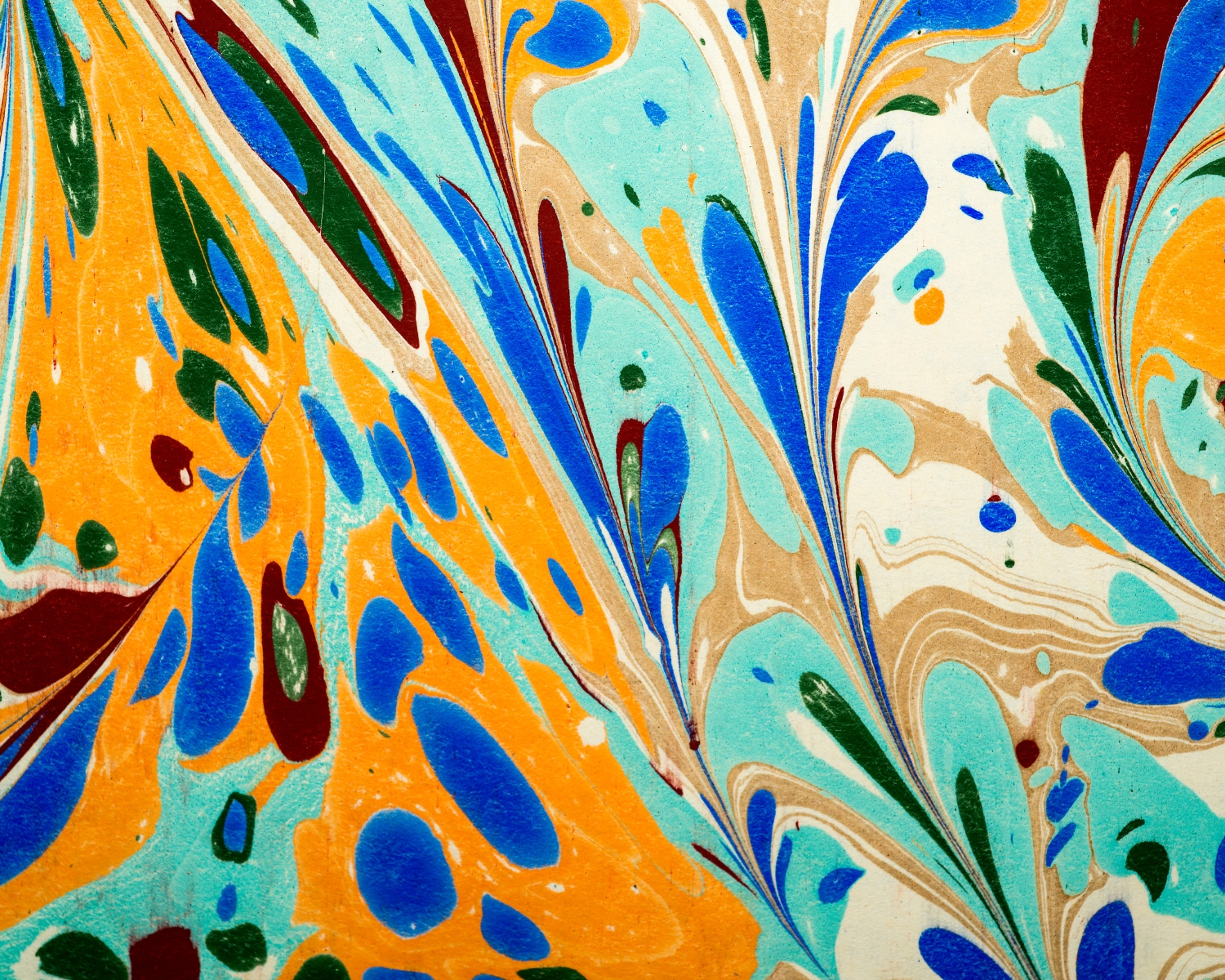
Macro photography isn’t just about capturing realistic representations of small subjects — it can also be a powerful tool for creating abstract art. By focusing on minute details and using creative techniques, you can transform everyday objects into mesmerizing patterns, textures, and shapes that evoke emotions and intrigue viewers. Here’s how to use macro photography to create stunning abstract art.
1. Focus on Patterns and Textures
One of the easiest ways to create abstract art is by capturing patterns and textures in your subject. Macro photography allows you to zoom in on fine details often overlooked, such as the lines on a leaf, the swirls in a piece of fabric, or the textures of a peeling paint surface. Look for repetition, symmetry, and natural shapes that can be interpreted abstractly. When photographed up close, these patterns become transformed into bold, dynamic compositions.
2. Play with Lighting
Lighting is key to creating dramatic, abstract effects. By experimenting with the direction and intensity of light, you can enhance textures and add depth to your images. Try using side lighting to cast long shadows that emphasize your subject’s surface. Alternatively, backlighting can make the subject glow, creating striking outlines or silhouettes. Soft diffused light works well for highlighting smooth surfaces, while harder, more directional light can enhance rough textures and details.
3. Use Shallow Depth of Field
A shallow depth of field (using a wide aperture like f/2.8 or f/4) is a great technique for abstract macro photography. This approach isolates your subject, blurring the background and even parts of the subject itself. The result is a dreamlike effect that enhances shapes and colors, allowing the viewer to focus on form rather than detail. A blurry backdrop can turn into a soft, colorful wash that adds a painterly touch to your image.
4. Experiment with Reflections
Reflections are another tool that can add an abstract element to your macro images. Use reflective surfaces like glass, water, or metal to create mirrored images that play with symmetry and distortion. By focusing on the reflection rather than the subject itself, you can create compositions that feel surreal and artistic.
5. Shoot Everyday Objects
Abstract macro photography doesn’t require exotic subjects. Everyday objects—like fabric, food, or even water droplets—can be transformed into works of art when photographed up close. Pay attention to the way light interacts with the surface, and experiment with different angles to create unique, eye-catching images.
Conclusion
Macro photography for abstract art opens up endless creative possibilities. By focusing on textures, playing with light, and experimenting with different techniques, you can transform simple objects into stunning works of art that evoke emotion and intrigue. With a macro lens and a little imagination, the world around you becomes an endless source of inspiration for abstract photography.
#MacroPhotography #AbstractArt #PhotographyTips #CreativePhotography #ArtisticPhotography #Textures #PhotographyTechniques #CloseUpPhotography #AbstractPhotography #PhotographyInspiration #Photographers
