
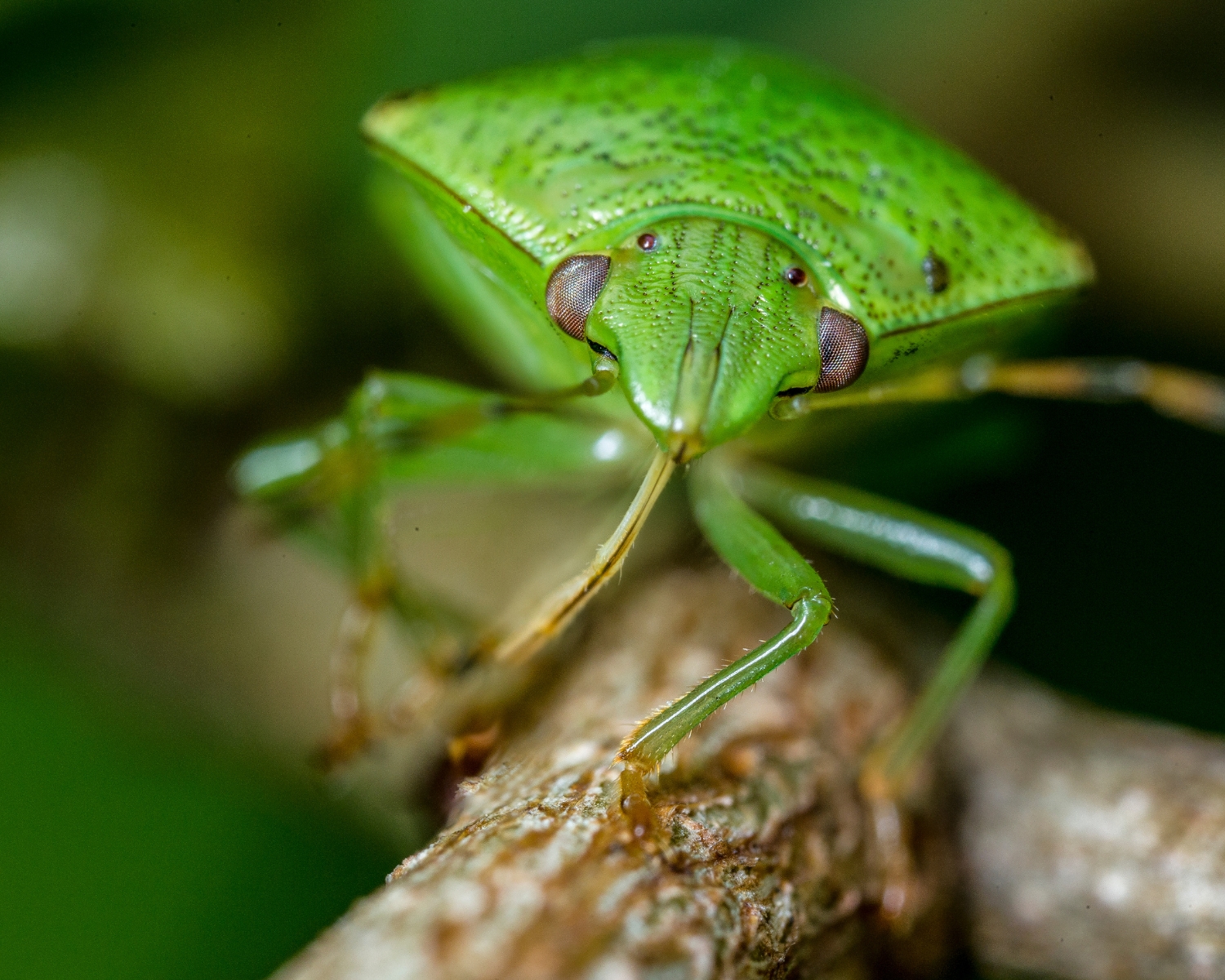
Macro photography allows photographers to explore a hidden world filled with tiny creatures, textures, and fascinating details. Photographing small animals and critters such as insects, spiders, frogs, snails, butterflies, and lizards can produce stunning close-up images, but it also requires patience, precision, and careful technique.
Approach Subjects Slowly
Small animals are easily frightened by movement and vibration. Move slowly and avoid sudden actions when approaching your subject. Staying calm and patient increases the chance of capturing natural behavior without scaring the creature away.
Early mornings are often ideal because insects and critters tend to move more slowly in cooler temperatures.
Use the Right Lens
A dedicated macro lens helps capture fine details while allowing enough distance from the subject. Lenses around 90mm to 105mm are popular because they provide strong magnification without forcing the photographer too close to sensitive animals.
Focus on the Eyes
In macro wildlife photography, the eyes are usually the most important part of the image. Sharp eyes create a stronger emotional connection and make the subject feel alive. Because the depth of field is extremely shallow in macro photography, accurate focusing is essential.
Manual focus often gives better control than autofocus for tiny moving subjects.
Use Soft Natural Light
Natural light works beautifully for critter photography because it keeps colors realistic and soft. Side lighting can highlight texture, wings, fur, or body patterns. Harsh sunlight may create strong shadows, so many photographers prefer shaded areas or diffused light.
Reflectors or small diffusers can help gently control lighting.
Keep Backgrounds Simple
Busy backgrounds can distract from tiny subjects. Use wider apertures to blur the background and separate the critter from its surroundings. Clean backgrounds help viewers focus on details such as eyes, antennas, textures, and movement.
Stay Stable and Patient
Macro photography magnifies even small camera movements. A tripod, monopod, or stable shooting position can improve sharpness. However, handheld shooting may work better for fast-moving insects if you maintain good control.
Respect Wildlife
Always avoid harming or disturbing animals for a photograph. Ethical macro photography means observing nature responsibly and allowing creatures to behave naturally.
My Lovely Lens supports photographers who want to explore the beauty of close-up wildlife photography. With patience, careful technique, and creative observation, even the smallest critters can become incredible photographic subjects.
#MyLovelyLens #MacroPhotography #WildlifePhotography #CloseUpPhotography #NaturePhotography #PhotographyTips #CreativePhotography #LensCulture #PhotoInspiration #PhotographyCommunity
