
Introduction
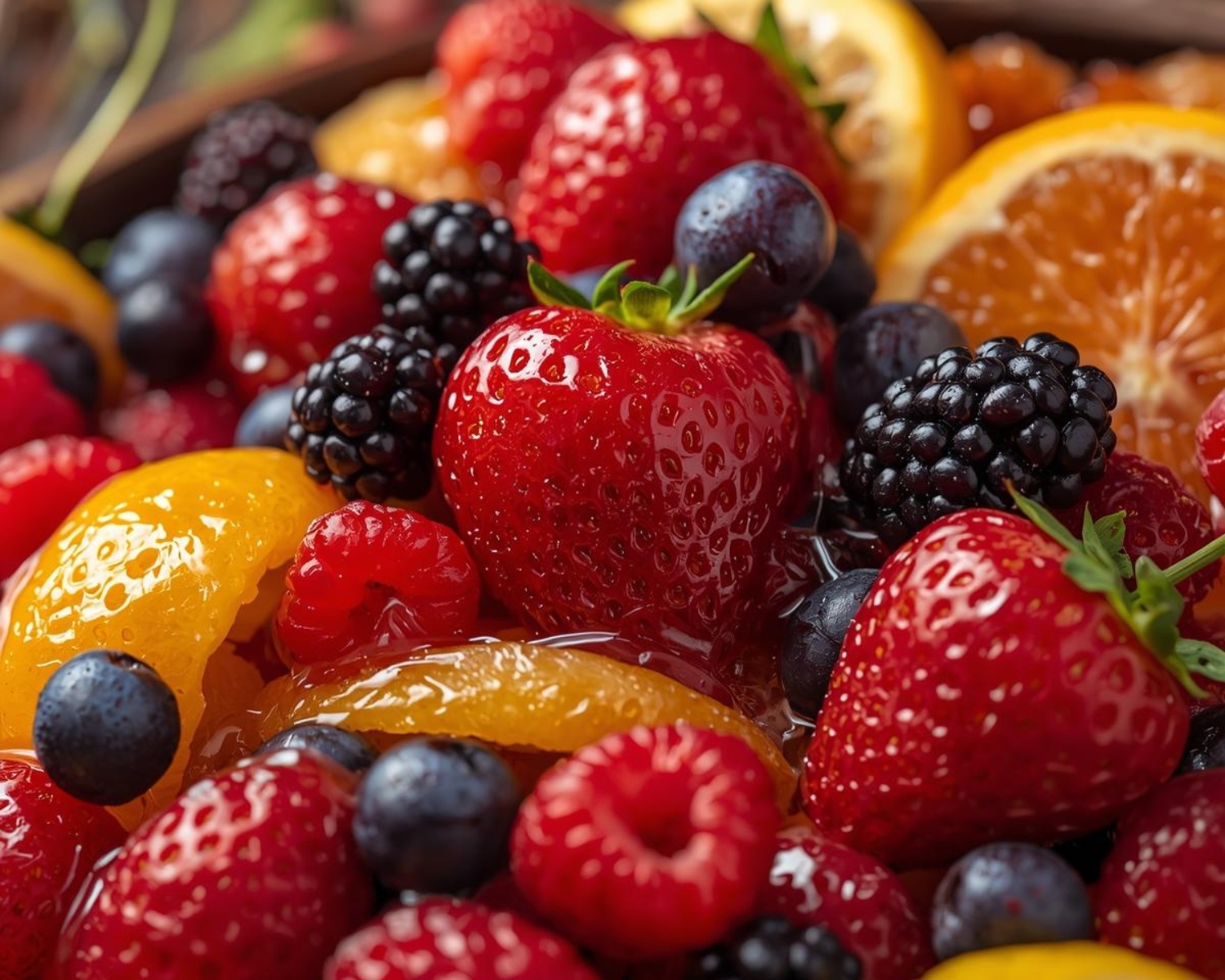
Macro photography elevates food photography by focusing on the smallest, often overlooked details that make food visually enticing. Whether it’s the shine on a piece of chocolate, the texture of a pastry crust, or the droplets on a fresh fruit, macro photography allows you to capture the essence of a dish in stunning detail. For food photographers, mastering macro techniques can elevate your images, making them not only visually appealing but also mouth-watering. Here’s how to create detailed macro shots that highlight the beauty of food.
1. Choose the Right Equipment
The key to great macro food photography lies in the right gear. A macro lens is essential because it allows you to capture food at 1:1 magnification, meaning the subject is reproduced at life size. Popular macro lenses for food photography are typically between 90mm and 105mm. These lenses offer sharp focus and the ability to capture intricate textures that are central to macro food photography. If you don’t have a dedicated macro lens, you can also use extension tubes or close-up filters as a more affordable alternative.
2. Control Your Depth of Field
One of the biggest challenges in macro photography is managing the shallow depth of field (DOF). With the lens so close to the subject, the DOF becomes very narrow, meaning only a small part of the image will be in focus. To make the most of your macro shots, use a smaller aperture (higher f-stop, like f/8 to f/11) to increase depth of field and keep more of the food in sharp focus. However, be mindful that using smaller apertures also reduces light, so you may need to adjust the lighting accordingly.
3. Lighting is Everything
Lighting plays a critical role in food photography. In macro shots, it’s essential to illuminate the subject evenly to bring out textures, details, and colors. Natural light is often the best option, as it’s soft and diffused, reducing harsh shadows. If shooting indoors, position your food near a large window. For more control over lighting, consider using diffusers or softboxes to soften the light and eliminate harsh reflections on shiny food surfaces.
4. Focus on Texture and Details
Macro photography thrives on details. Focus on textures that will engage the viewer’s senses, such as the glistening edges of frosting, the crumbled texture of a biscuit, or the delicate layers of a fruit slice. These fine details can make your food shots stand out and give your photos a realistic, tactile quality.
Conclusion
Macro food photography opens up a world of creative possibilities by allowing you to showcase the intricate details of your dishes. By using the right lens, controlling your depth of field, using proper lighting, and focusing on textures, you can capture the essence of food in a way that is both beautiful and enticing. These detailed shots will leave a lasting impression and highlight the artistry of your culinary creations.
#MacroPhotography #FoodPhotography #PhotographyTips #TexturePhotography #CreativePhotography #FoodStyling #FoodPhotographyTips #CloseUpShots #ContentCreation #ProfessionalPhotography
