
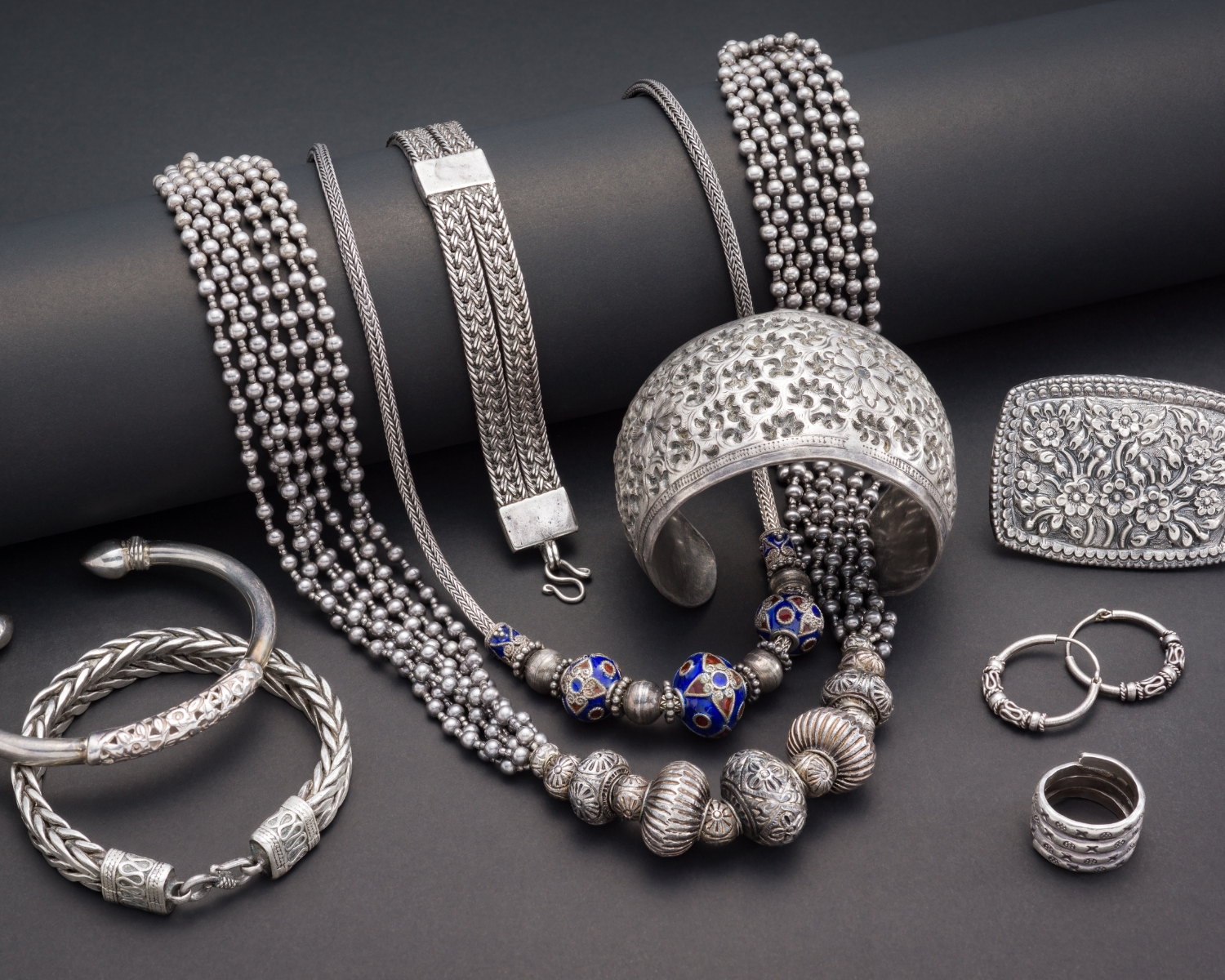
Jewelry photography is all about showcasing elegance, craftsmanship, and intricate detail. With macro photography, you can highlight the fine textures, reflections, and brilliance that make each piece unique. Whether you’re shooting for a brand, portfolio, or personal project, mastering macro techniques can elevate your jewelry photography to a professional level.
1. Use the Right Lens and Equipment
A macro lens is essential for capturing close-up details with precision. Lenses in the 90mm to 105mm range are ideal, as they allow you to maintain a comfortable distance while achieving sharp focus. A tripod is also highly recommended to eliminate camera shake and ensure crisp images, especially when working with small apertures.
2. Perfect Your Lighting Setup
Lighting is crucial when photographing jewelry. Since jewelry surfaces are reflective, harsh lighting can create unwanted glare. Instead, use soft, diffused lighting to highlight details without overpowering the image. Lightboxes or diffusers work well to distribute light evenly.
You can also use reflectors to bounce light into shadows, enhancing the sparkle of gemstones and metals—experiment with angles to find the most flattering reflections.
3. Focus on Sharpness and Depth of Field
In macro photography, achieving sharp focus is key. Use manual focus to precisely control what part of the jewelry is in focus—usually the most important feature, such as a gemstone or engraving.
A smaller aperture (like f/8 to f/16) increases depth of field, allowing more of the piece to remain sharp. However, balancing aperture and lighting is important to avoid underexposure.
4. Keep the Background Clean and Simple
Jewelry should always be the main focus. Use minimal, neutral backgrounds such as white, black, or soft textures to avoid distractions. For a more creative look, you can experiment with reflective surfaces like glass or marble.
A clean background enhances the elegance and professionalism of your shots.
5. Highlight Texture and Detail
Macro photography allows you to capture the smallest details, such as engravings, stone cuts, and metal textures. Pay attention to angles that emphasize these features. Slight adjustments in positioning can dramatically change how light interacts with the jewelry.
6. Post-Processing for Perfection
Editing plays an important role in jewelry photography. Adjust brightness, contrast, and sharpness to enhance details while maintaining a natural look. Remove dust or imperfections to present the piece flawlessly.
Macro photography of jewelry is about precision, patience, and attention to detail. With the right equipment, lighting, and technique, you can capture stunning images that truly showcase the beauty of each piece. By focusing on clarity and simplicity, your jewelry photography can stand out with elegance and professionalism.
#MacroPhotography #JewelryPhotography #PhotographyTips #ProductPhotography #CloseUp #CreativePhotography #PhotoSkills #VisualDetail #PhotographyGuide #StudioPhotography
