
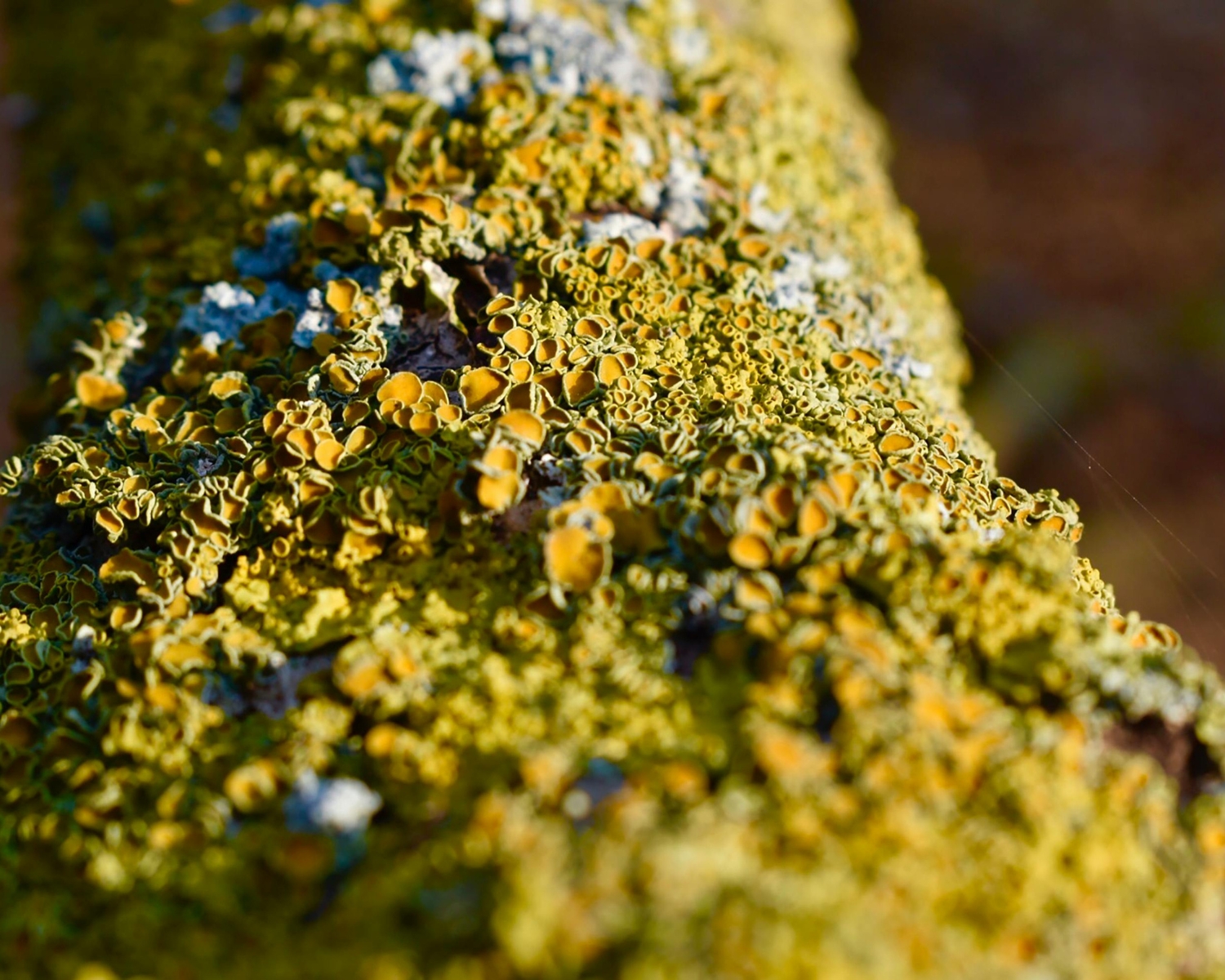
Introduction
Nature is full of intricate textures that often go unnoticed, from the veins of leaves to the roughness of tree bark. Macro photography allows us to explore and capture these small details, revealing the stunning beauty that lies just beneath the surface. By focusing on the textures of natural elements like leaves, bark, and other organic materials, you can create striking, detailed images that showcase the hidden wonders of the natural world. Here’s how to master macro photography of natural textures.
1. Focus on the Details
One of the joys of macro photography is the ability to zoom in on small details that would otherwise go unnoticed. When photographing natural textures, pay attention to the unique patterns that emerge. The veins in leaves, the rough grooves in bark, or the tiny crystals on a rock all tell a story. Use your macro lens to get up close and capture these patterns in stunning detail, making them the focal point of your image.
2. Play with Lighting to Highlight Textures
Lighting plays a crucial role in highlighting textures. Natural light, especially in the early morning or late afternoon, creates soft, warm tones that enhance the fine details of natural textures. To make the textures pop, position your subject so that the light hits it from the side, creating shadows that accentuate the surface. Alternatively, backlighting can create a glowing effect that adds depth and drama to the texture, especially with translucent elements like leaves.
When shooting under direct sunlight, use a diffuser to soften harsh shadows and reduce overexposure. If you’re shooting indoors, consider using artificial lighting sources such as LED panels or softboxes to control lighting more precisely.
3. Use a Shallow Depth of Field
To make the texture stand out, use a shallow depth of field. A wide aperture (like f/2.8 or f/4) helps blur the background, drawing attention to the subject’s details. This technique allows the texture to take center stage while creating a soft, dreamy background that enhances the composition.
4. Choose the Right Composition
Composition is key in macro photography. Position your subject so that the textures are clearly visible and not overshadowed by clutter. Consider framing the texture to highlight its uniqueness—for example, shoot a close-up of a leaf’s veins at an angle to show off the network of lines.
Conclusion
Macro photography of natural textures such as leaves, bark, and stones offers endless opportunities to explore and capture nature’s hidden beauty. By focusing on intricate details, using the right lighting, and experimenting with depth of field, you can create stunning, detailed images that showcase the rich textures of the natural world.
#MacroPhotography #NaturePhotography #TexturesInNature #PhotographyTips #CloseUpPhotography #PhotographyTechniques #NatureLovers #CreativePhotography #Photographers #ContentCreation
